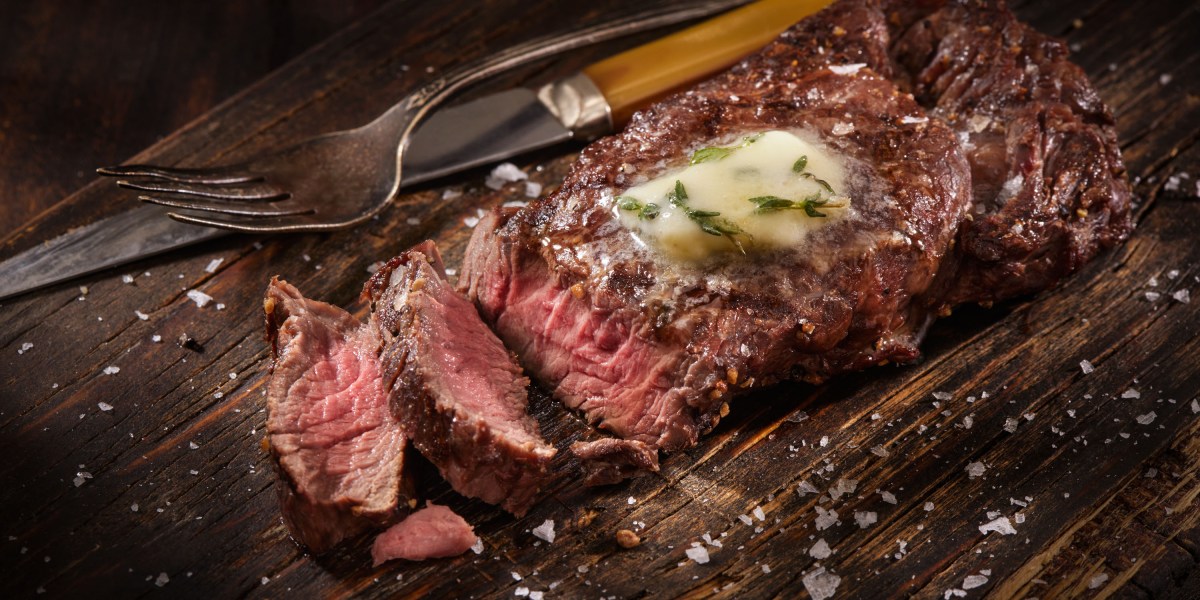
That’s partly because they recommend products like red meat, butter, and beef tallow—foods that have been linked to cardiovascular disease, and that nutrition experts have been recommending people limit in their diets.
These guidelines are a big deal—they influence food assistance programs and school lunches, for example. So this week let’s look at the good, the bad, and the ugly advice being dished up to Americans by their government.
The government dietary guidelines have been around since the 1980s. They are updated every five years, in a process that typically involves a team of nutrition scientists who have combed over scientific research for years. That team will first publish its findings in a scientific report, and, around a year later, the finalized Dietary Guidelines for Americans are published.
The last guidelines covered the period 2020 to 2025, and new guidelines were expected in the summer of 2025. Work had already been underway for years; the scientific report intended to inform them was published back in 2024. But the publication of the guidelines was delayed by last year’s government shutdown, Kennedy said last year. They were finally published yesterday.
Nutrition experts had been waiting with bated breath. Nutrition science has evolved slightly over the last five years, and some were expecting to see new recommendations. Research now suggests, for example, that there is no “safe” level of alcohol consumption.
We are also beginning to learn more about health risks associated with some ultraprocessed foods (although we still don’t have a good understanding of what they might be, or what even counts as “ultraprocessed”.) And some scientists were expecting to see the new guidelines factor in environmental sustainability, says Gabby Headrick, the associate director of food and nutrition policy at George Washington University’s Institute for Food Safety & Nutrition Security in Washington DC.
They didn’t.
Many of the recommendations are sensible. The guidelines recommend a diet rich in whole foods, particularly fresh fruits and vegetables. They recommend avoiding highly processed foods and added sugars. They also highlight the importance of dietary protein, whole grains, and “healthy” fats.
#Americas #dietary #guidelines #ignore #decades #scientific #research