A sports necessity
Wearing a bra that’s too tight can limit breathing. Wearing one that’s too loose can create back, shoulder, and neck pain. Pain can also be caused by the lag between torso and breast movement, which causes what is scientifically known as “breast slap.”
The lab’s research has also found that the physical discomfort of bad bras, combined with the embarrassment of flopping around, is the one of the biggest barriers to exercise for women and that if women have a good sports bra, they’re more willing to go for a run.
An open question
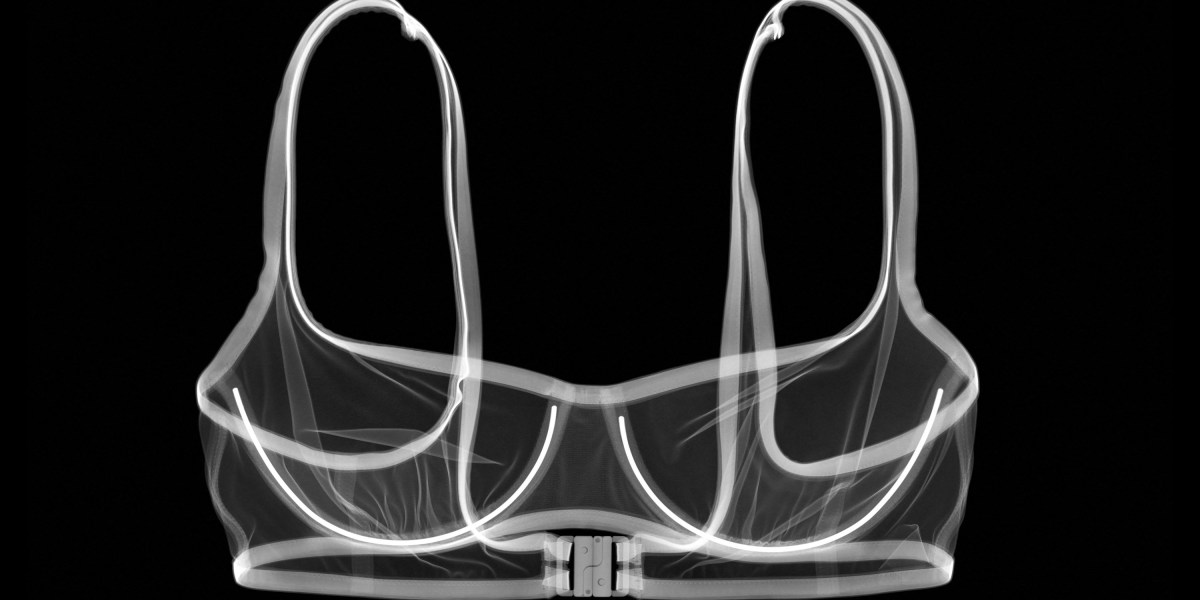
Some bras function by deliberately compressing breasts. Others encapsulate and support each individual breast. But scientists still don’t know whether it’s more biomechanically important to reduce the breasts’ motion entirely, to reduce the speed at which they move, or to reduce breast slap. Will women constantly be forced to choose between the comfort of a stretchier bra and the support of a more restrictive one?
Wakefield-Scurr is excited about new materials she’s tested that tighten or stretch depending on how you move. She’s working with fabric manufacturers and clothing companies to try out their wares.
As more women take up high-impact sports, the need to understand what makes a good bra grows. Wakefield-Scurr says her lab can’t keep up with demand. Their cups runneth over.
Sara Harrison is a freelance journalist who writes about science, technology, and health.
#Job #titles #future #Breast #biomechanic